
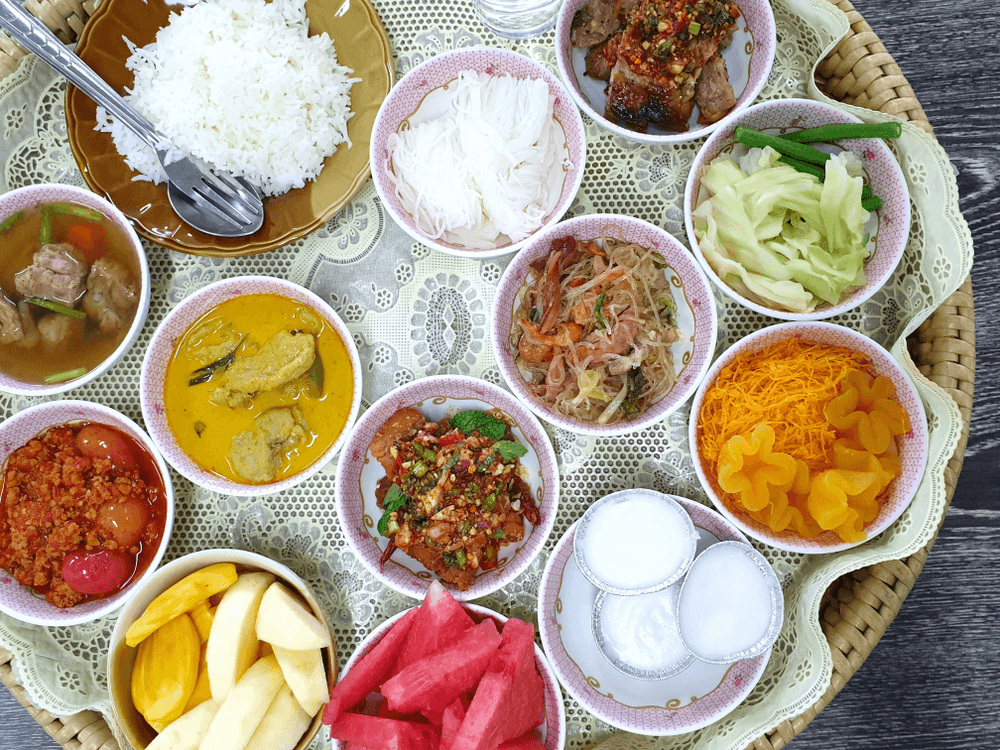
Fasting is the willing abstinence or reduction from food, drink, or both, for a period of time. There are different types of fast and many people fast for different reasons, usually for religious or dieting reasons. As the holy month of Ramadan is here, Muslim faithfuls are fasting from dawn to dusk.
Whatever your reason for fasting, it is important to pay a lot of attention to how you break your fast.
While you’re fasting, your body indergoes a lot of biological adaptations. For example, your food intake has been reduced, so the digestive system will take a rest. But this is only for a prolonged fast.
When you’re about to break a fast, there is always the desire to gobble down anything in sight because you’ve not eaten for so long. But hey, hold up! If you break your fast wrongly, you undermine all the good things you gained while fasting.
The health benefits of fasting are realized only when the fast is broken properly. It also gives you the opportunity to slow down on your new-found clarity in your relationship to food.
What To Avoid When Breaking a Fast
- Overeating: Overeating immediately following a fast is much worse than overeating at any other time. When you’re really hungry and break your fast, it’s easy to overeat unhealthy or nutrient empty foods but this will only make you gain more weight, overload your digestive system and cause a lot of health issues you don’t want.
- Acidic foods: This includes citrus fruits such as oranges, grapefruits, lemons etc are not the best to use in breaking a fast. This is especially true if you’re ulcer prone.
- Don’t eat foods that are too spicy.
- Other foods like processed foods, sugary foods should be avoided. Starchy foods should be eaten sparingly.
- Heavy food: it may seem natural to you to consume a huge bowl of Eba/Garri after a fast but don’t do that! You’re digestive system is still recovering and overburdening it with heavy food is not healthy for you.
What To Do When Breaking a Fast
- Take it slow: Gradually introduce food to your system, this is especially important for a long fast (3-21 days). Begin with light foods like fruits, soups and vegetables. Then you can gradually proceed to eating other foods with few hours in between.
- Water and hydrating Foods: After a fast, your body is dehydrated (if you’re doing a dry fast) so drink lots of water. Avoid taking caffeinated drinks and soda as they can dehydrate and sap out water from your body. Eating hydrating foods like watermelon, cucumber, pap etc, is great.
- Vegetables: Raw and cooked vegetables are great for breaking your fast, they’re rich in nutrients such as vitamins, minerals and fibre. They’re easily digestible.
- Fruits: Eating fruits is a great way to break your fast but you have to be careful when breaking with fruits. Eat fruits high in fibre and water such as watermelon, apple, dates, pawpaw, berries. Fruits with high acidic content should be avoided.
- Eat healthy, filling food during Sahur: If you’re fasting during Ramadan, it is also important to consider what food you eat during Sahur. Try eating unprocessed foods that are high in protein (eggs, fish, meat, yoghurt and cheese), carbohydrates (rice, pasta, plantain), fibre and vitamins (oatmeal, fruits and vegetables). If you’re eating starchy food like rice, try balancing it with vegetables and an adequate amount of protein.
- Savour your food: During the fast, your palate (tongue) has started to regain its sensitivity, especially after a long fast(3-21 days). Enjoy and savour the taste of foods that were formerly not so palatable such as vegetables. If you want to cut down on sugar and salt, this is a great time to do so.
- Chew your food well: Remember, your digestive system is still recovering. So, make sure to chew on your food well before swallowing to make your body’s work easier.
No comment yet.